Completed
Prosocial Motivation, Service Performance, and Equity of Care in Sri Lankan Public Hospitals
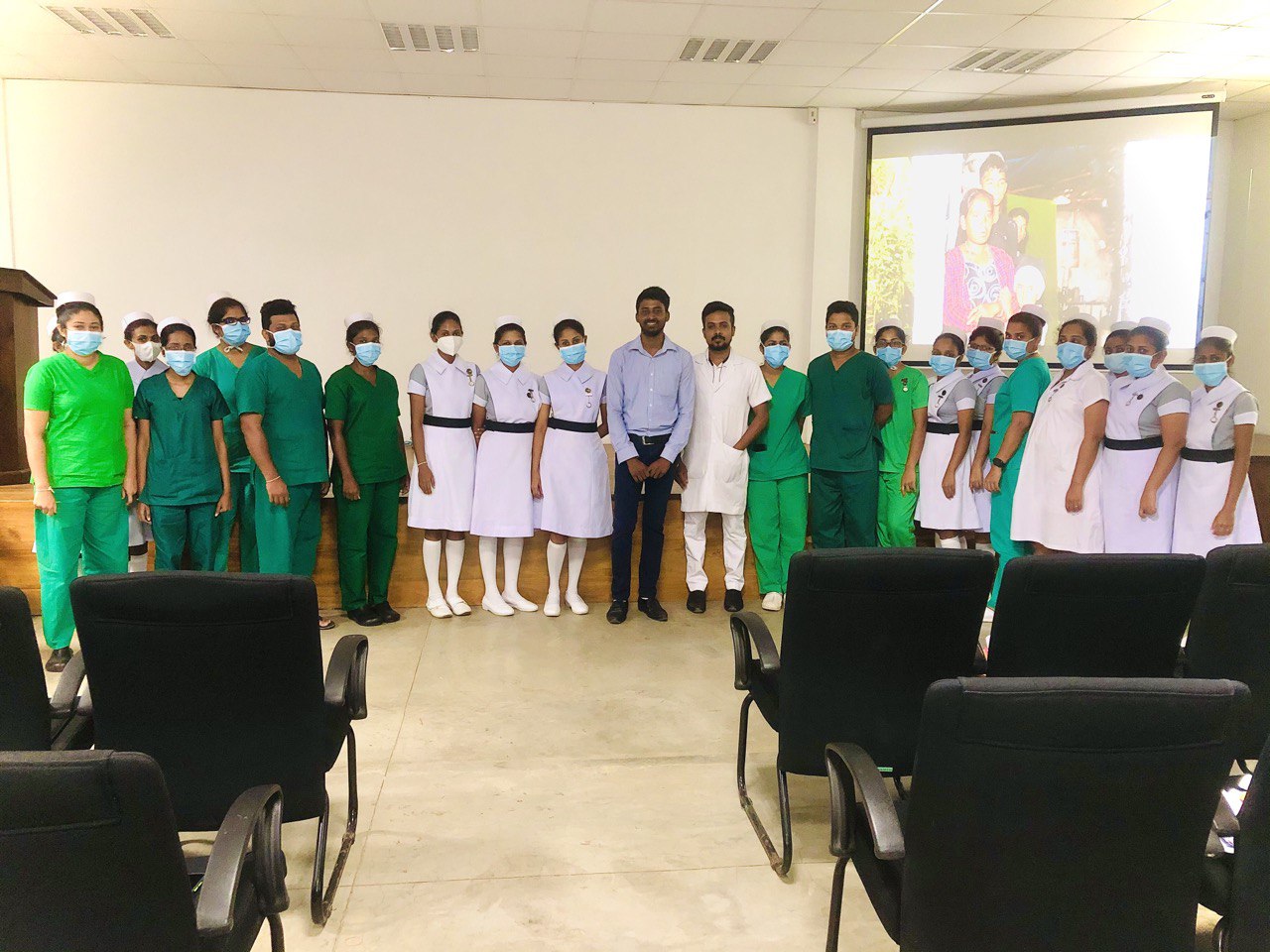
This project examines how nurses’ prosocial motivation supports service performance and equitable care during Sri Lanka’s post-pandemic economic crisis. We conducted lab-in-the-field sessions with nursing professionals from the National Institute of Infectious Diseases (IDH) and Mullaitivu District Hospital. Prosocial motivation was measured using a structured perception survey, while equity of care was assessed using a video-vignette task where nurses evaluated the same pneumonia symptoms presented by either a socioeconomically disadvantaged (poor) or advantaged (non-poor) patient.
Performance was measured using a real-effort envelope-stuffing task under three conditions: baseline (routine), recognition-based rewarding treatment (gold-star competition), and a prosocial mission treatment where effort contributed to fundraising for economically vulnerable families. Findings indicate high prosocial motivation among nurses, broadly equitable diagnostic/treatment recommendations across patient status, and substantially higher effort under the prosocial mission compared to baseline and recognition incentives.
Key insight: Intrinsic, mission-based prosocial motivation can outperform recognition incentives in raising effort and supporting equitable care in resource-constrained public services.
Tools: Prosocial motivation scale + video vignette + real-effort task
Equity measure: Poor vs non-poor patient presentation (same symptoms)
Effort measure: Output differences across baseline, reward, and prosocial mission conditions
BERG • UOP • 2026





No matching projects found.